
Write
Name the place, who controls the land, and the decision that is waiting. The first reply says what is still missing.
Questions
Short answers in plain words. If yours is not here, use Contact and name the place.
Use the contact page, or write to hello@archaeonest.com. Both reach the same desk in Jerusalem. Say where the site is, who is asking, and what decision is waiting.
Monday to Saturday, 09:00–17:00, Jerusalem time. Sunday is closed. A note sent on Sunday is read on Monday. Those hours are when mail is read. They are not a promise of a reply the same day.
The place, named as clearly as you can. Who controls the land. Whether anyone has already agreed in writing. The decision that is waiting: a survey, a test, an open season, or a look at a collection. A letter without a place is answered by asking for one.
The page gives you a reference. Keep it, and put it on any later letter about the same place. The desk reads the note on an open day. The first reply names what is still missing. It does not open a trench, and it does not set a date for the ground.
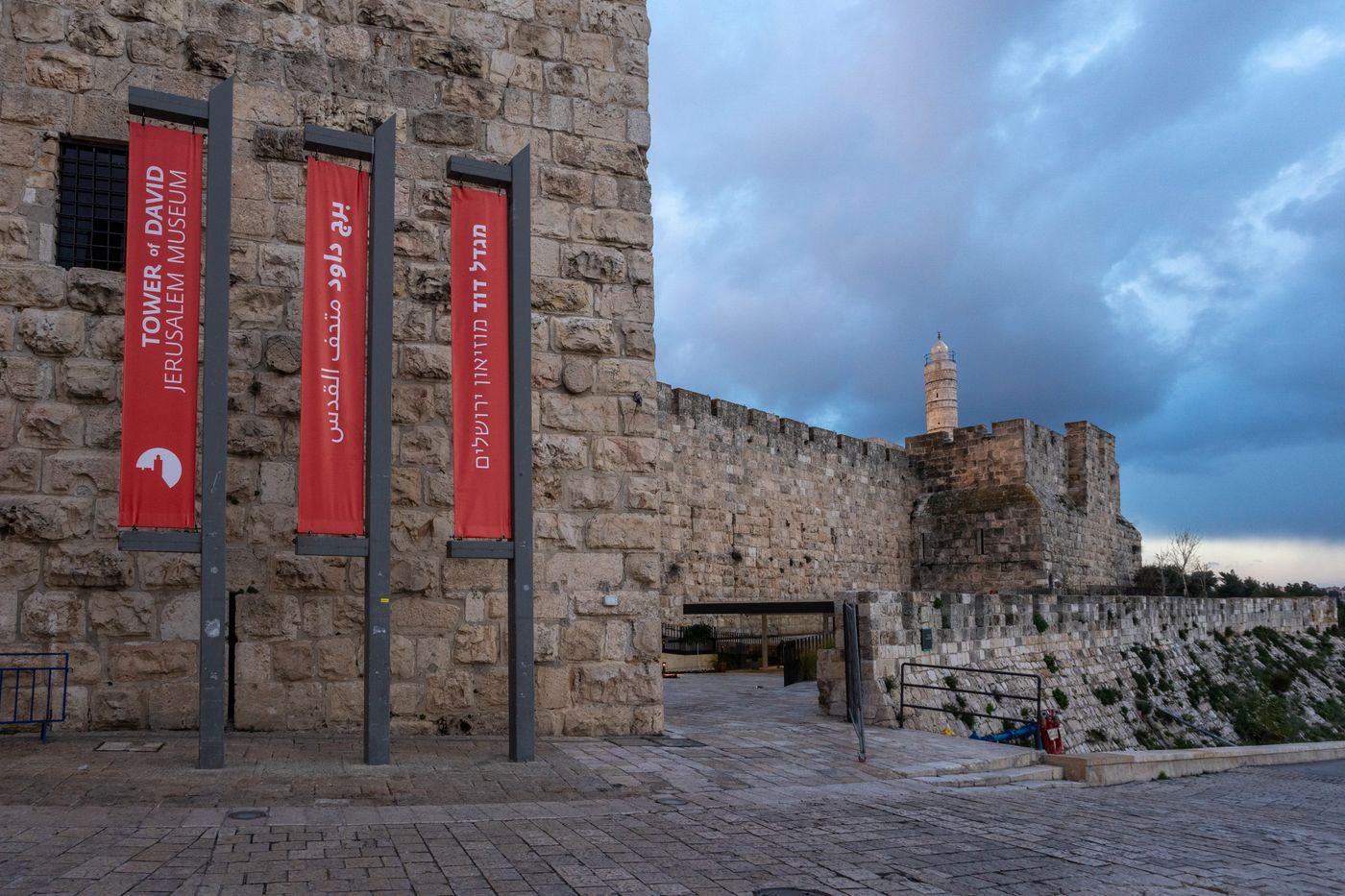
The desk, the laboratory, and the archive are at the Jerusalem field station in the City of David. The site does not print a street number. Write first, through Contact or hello@archaeonest.com.
Codes issued by the station begin with AN-, then two groups of characters. Type the whole code, including the hyphens, on the tracking page. The page opens that one assignment. It does not offer a list of other codes.
Open Track and enter the code the station gave you. You will see the assignment and the field reports. You will not see a home address or a personal phone. The site does not publish a list of names.
Check the characters, including the hyphens. If it still fails, use Contact and include the code. The desk can say whether that code was issued. The contact form itself does not look a code up.
No. A code is issued only after an assignment exists. The form is for a new question. Track is for a code you already hold.
No. A trench needs written permission from the people who control the land and the antiquities authority for that site. The station stops if the work would harm a place that should be left unexcavated. The site does not print a license number in place of that paper.
A walkover can be a few days. An open-area excavation, plus the laboratory and the report, is measured in months. A duration is proposed after the question has been seen, not before.
Yes, for identification, condition, and advice on care. The station does not buy objects. It will say so if a piece should go to a museum or a descendant community instead of staying in a house.
Sometimes a photograph is enough to rule things out. A confident identification usually needs the object, its size, and where it was found. The desk would rather say “not yet” than invent a date.
That is agreed in writing before work starts. The usual pattern is that the landholder or the institution keeps the finds, and the station keeps a copy of the record so the report can be checked. A season that cannot be revisited in the bags, the drawings, and the photographs was not finished.
No. Nothing from a trench, a survey, or a collection check is bought or sold. Identification and advice on care are the work. A request to purchase a find is refused.
No. This is the public site for the station. There is no visitor account. Names are not posted. A code that begins with AN- opens one assignment for the people the station gave it to.
There is not one on this site. A finished season stays with the client and in the station archive. The public pages explain the method. They do not stand in for a season the station has not published.
Monday to Saturday, 09:00–17:00. Sunday is closed.
Name the place, who controls the land, and the decision that is waiting. The first reply says what is still missing.
A code that begins with AN- opens one assignment and its field reports. The site does not list names.
If the question is not here, name the place. The desk reads new notes Monday to Saturday.