
Processing
Washing, drying, marking, and a first sort by material. Every bag keeps the context number it was given in the field.
Laboratory
Most of what a season is worth lives in the bags. At the Jerusalem station, processing, conservation, and the archive stay in the same conversation as the trench.
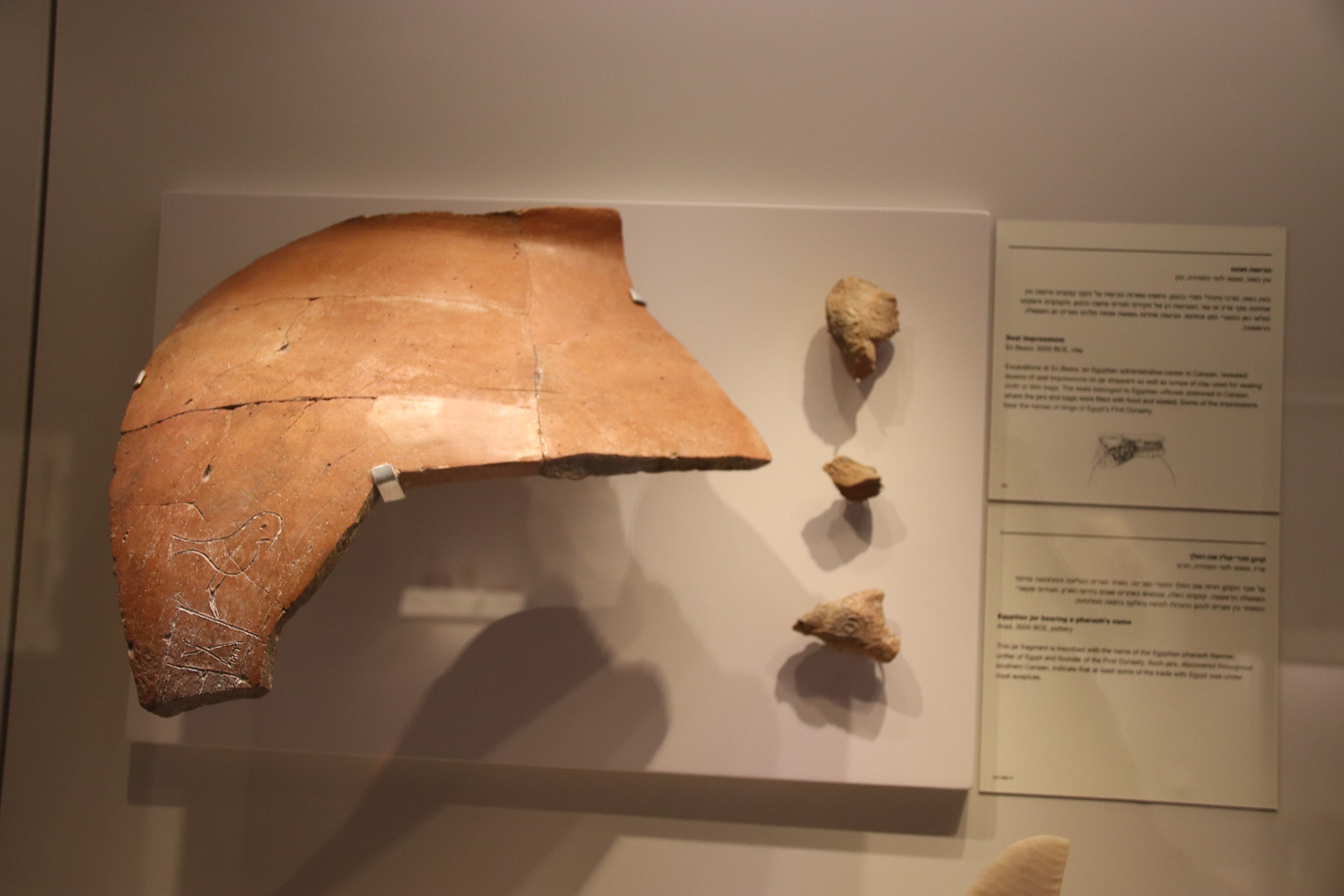
Washing, drying, marking, and a first sort by material. Every bag keeps the context number it was given in the field.
First aid for fragile finds: lifting, support, and packing. Treatment beyond that is scoped with a conservator and written into the brief.
Plans, sections, and object illustrations made to sit beside the text, not as decoration after the fact.
Soil, charcoal, and other samples are taken with a question attached. If there is no question, we do not take the sample.
A list a curator can import: context, material, count, weight, and the note that explains why the object matters.
Paper, photographs, and digital files named so a person who was not on the dig can find the section they need.
The number written in the trench is the number used on the bench.
The laboratory is in the same building as the desk, in the City of David. These limits are part of the work.
An object on the bench is not for sale, and it is not bought from the person who brought it. Identification and care are the work.
The bench would rather say “not yet” than invent a date from a picture. A confident identification needs the object, its size, and, when it exists, where it was found.
Write what the objects are, how many, their condition, and whether any label survives. The desk reads that note Monday to Saturday. Sunday is closed.
Monday to Saturday, 09:00–17:00. Sunday is closed.
Name the place, who controls the land, and the decision that is waiting. The first reply says what is still missing.
A code that begins with AN- opens one assignment and its field reports. The site does not list names.
What stays with an object, and what is never offered for sale.