
Walkover note
A short account of what is visible, what should not be disturbed, and whether a survey grid is worth opening.
Reports
We write so the person who asked the question can follow it, and so someone else can check the bags later. Plain words first. The context numbers sit underneath.
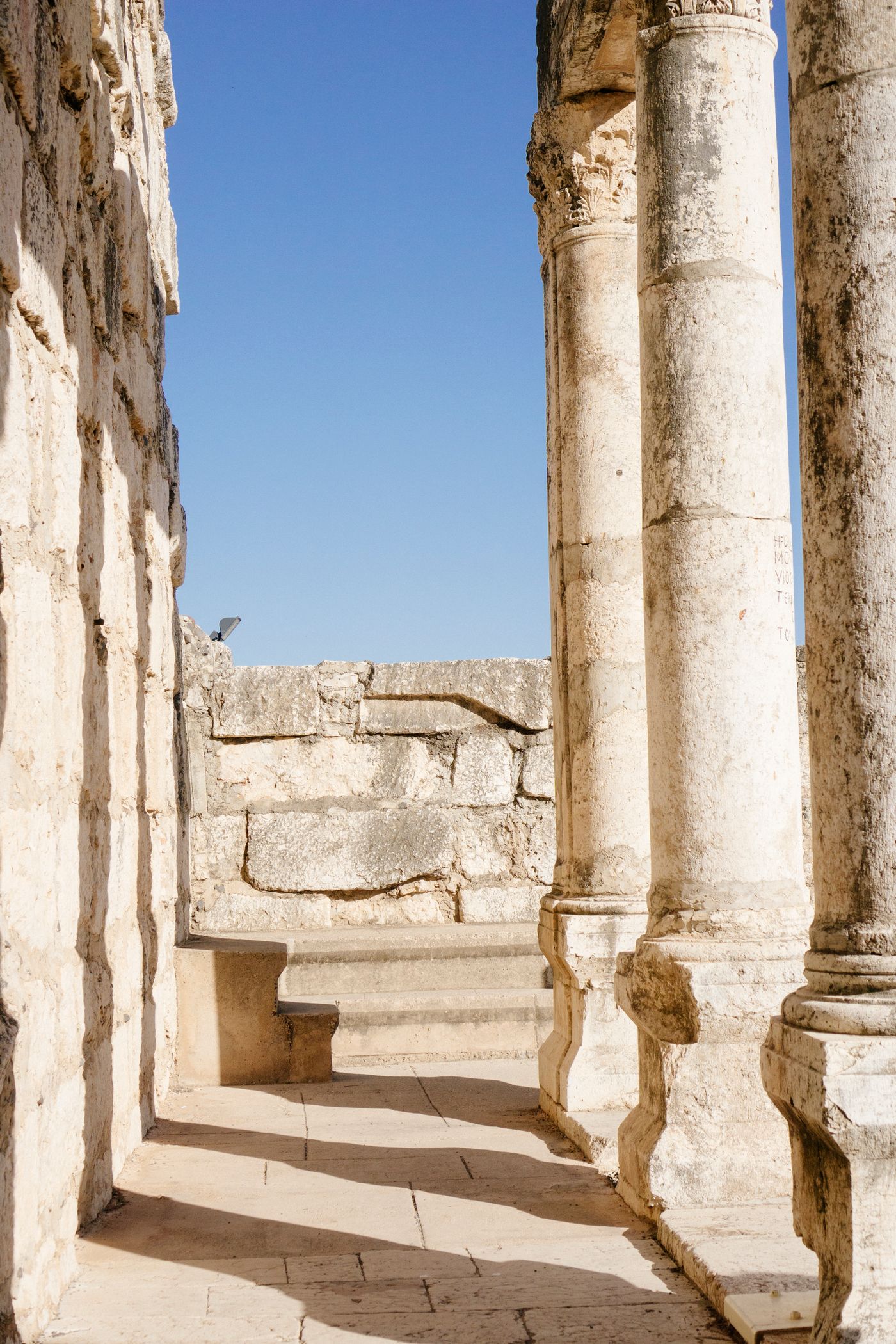
A short account of what is visible, what should not be disturbed, and whether a survey grid is worth opening.
Contexts, plans, photographs, the finds catalogue, and a plain summary of what the trench showed.
Identification and condition for objects that have lost their labels. We say when a photograph is not enough.
How the work will be done, who does it, and where the drawings and bags will be kept when the season ends.
If you have a tracking code, the page shows the place, the status, and the day in Jerusalem time. It does not list other people.
Reports that belong to a client stay with that client. Write if you need to know whether a place has already been recorded.
A report written for a client stays with that client. The station keeps the archive copy: the sheets, the photographs, and the catalogue, so the text can be checked later.
The public tracking page is the short field note. It is not the season report, and it does not list other assignments.
Write the name of a place and who controls the land. If a report exists and can be shared, the reply says so. If it cannot, the reply says that too. The desk reads mail Monday to Saturday. Sunday is closed.
Monday to Saturday, 09:00–17:00. Sunday is closed.
Name the place, who controls the land, and the decision that is waiting. The first reply says what is still missing.
A code that begins with AN- opens one assignment and its field reports. The site does not list names.
How a context is numbered, drawn, and photographed before it is lifted.