Survey
See the place before you open it
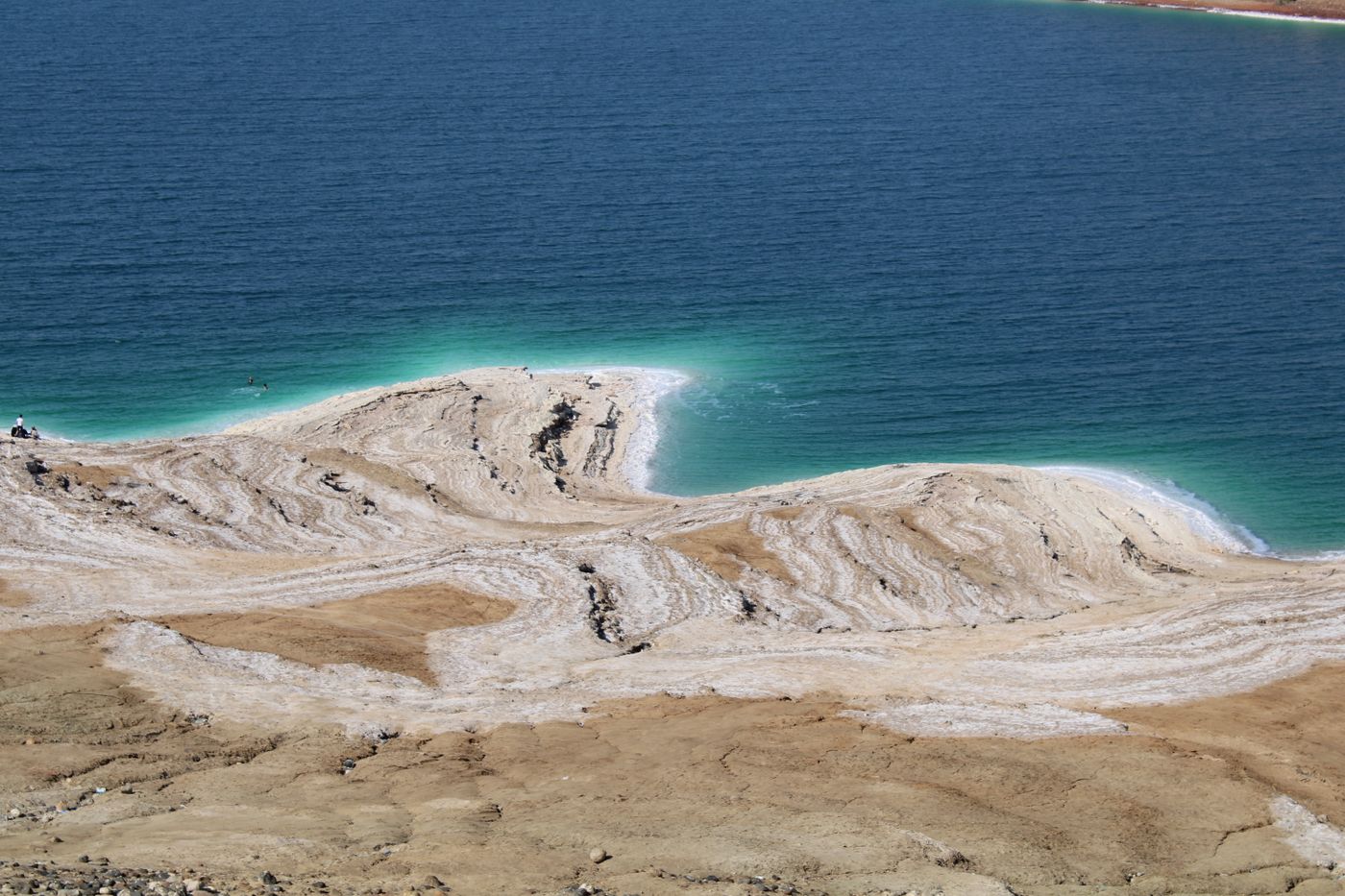
Desk study, walkover, shovel-test grids, and instrument survey. We mark what is visible, what is buried, and what should be left alone. A new commission gets its own grid. A code, if one is issued, comes after that assignment exists.
Excavation
Open only what the question needs
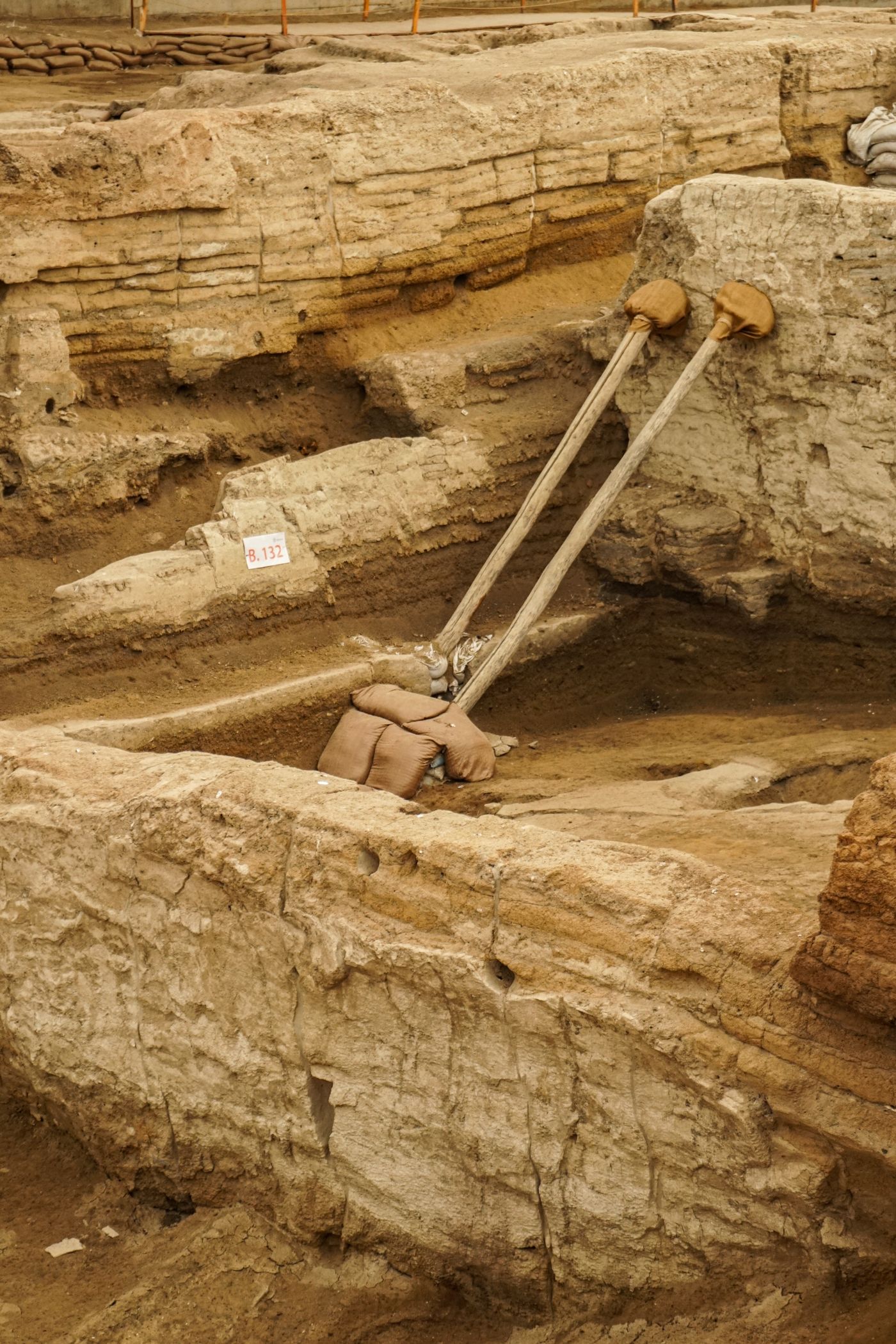
Hand excavation by context, section and plan drawing, sampling, and a photograph taken before the layer is lifted. Machine work is specified, watched, and stopped when the archaeology starts. If a code has been issued, it shows whether that person is on site, in camp, or back at the station writing. The site does not list names.
Finds
Bags that still mean something next year
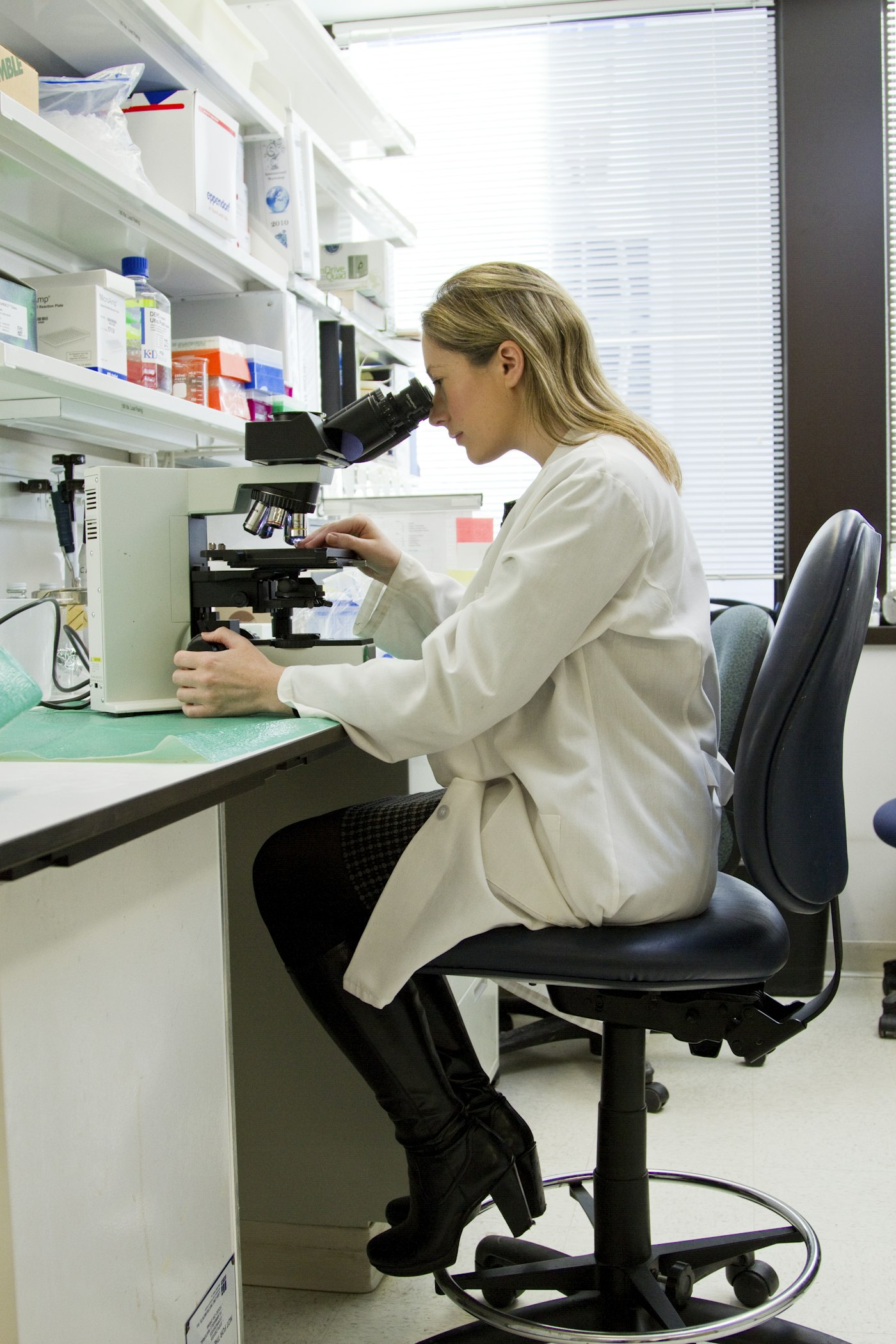
Washing, marking, first-aid conservation, and a catalogue tied back to the context they came from. The work happens on the benches at the Jerusalem station, not in a private house. Nothing from a trench is offered for sale.
Heritage advice
A record a planner can use
A written view of the archaeological risk before a design is fixed: what is already known, what a walkover would still need to see, and which permissions are missing. It is advice. It is not permission to dig.
Collections
Museums and private holdings
Condition checks, repackaging, and identification of material that has lost its label or never had one. Say what the objects are, how many, and whether any context number survives. Nothing is bought or sold.
Teaching digs
Crews that include students
When a season includes students, the recording standard does not change. Time is set aside to explain the method. A student does not take an object home.