Jerusalem · City of David Monday–Saturday, 09:00–17:00 · Sunday closed hello@archaeonest.comContact

Fieldwork

How a season actually runs.

A season out of the Jerusalem station follows the same order whether the trench is on a slope or inside a standing building. The place changes the method. The paperwork does not. This page is that order. It is not a catalogue of seasons the station has already dug.

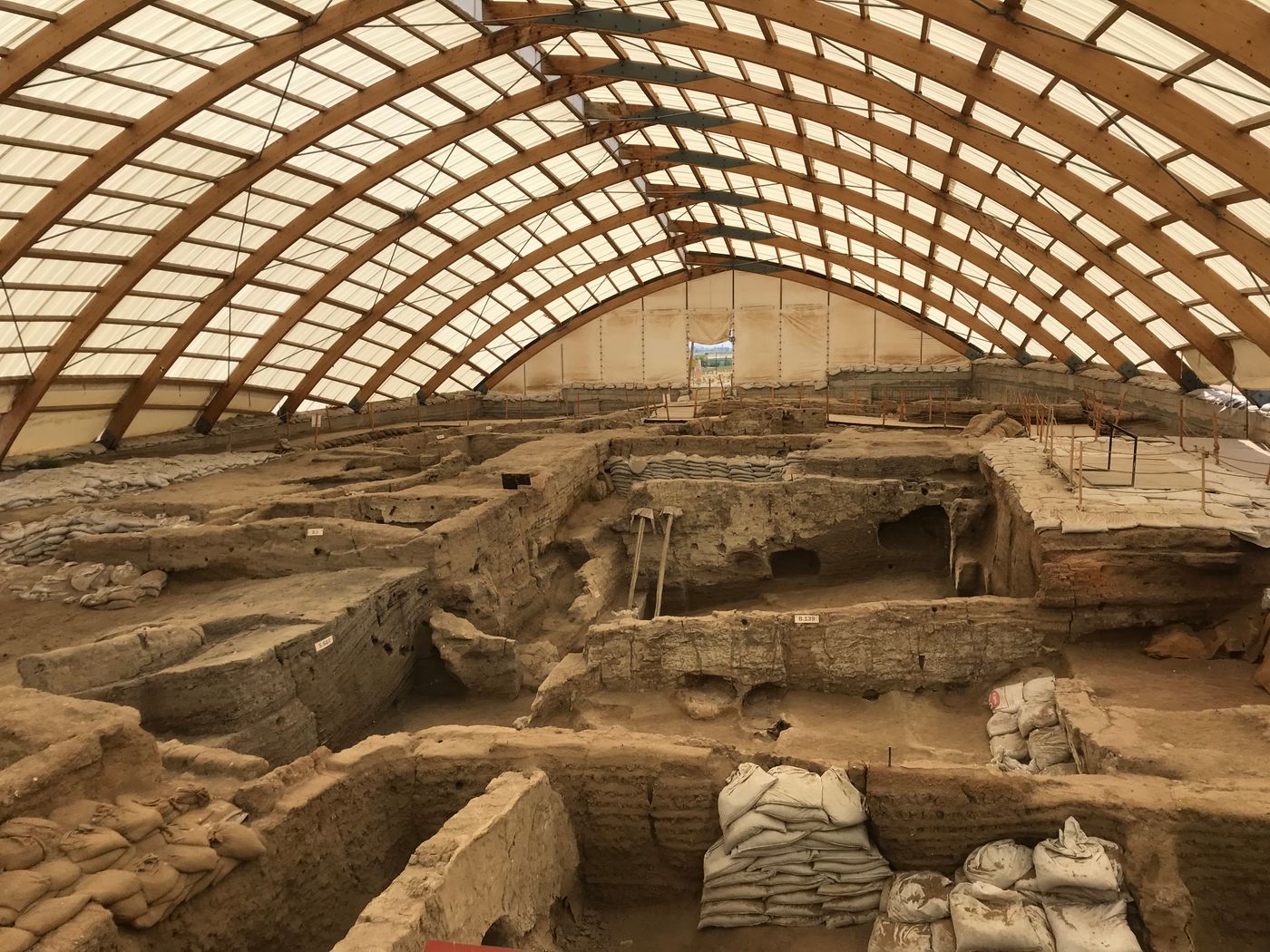
Covered excavation with standing walls and sandbagged sections

01 · The brief

The question, before anyone travels

We agree the question, the boundary, who must be consulted, and what “finished” means. Access, weather, and previous work are on the table before anyone is booked. A letter without a place is answered by asking for one.

02 · The paper

Permission, in writing

No date for the ground is firm until the people who control the land, and the antiquities authority for that site, have agreed in writing. The site does not print a license number in place of that paper.

03 · The first look

Survey before a trench

A walk, a measured sketch, and a decision: survey only, test pits, or open area. The answer is written down so it can be challenged later. A trench the survey does not justify is taken off the page.

04 · Open ground

Recorded while it is visible

Each layer gets a number, a plan, a section where the sequence stands, and a photograph before it is lifted. A bag leaves the trench only with that number. Memory is not a record.

05 · The station

The same evening, in Jerusalem

Bags are checked in at the laboratory. A bag with no number goes back to the person who packed it. The day’s note is written while the section is still in mind. If a code exists, the public field report is cut from that note.

06 · The close

Backfill, then the report

The ground is reinstated as agreed. The report follows the catalogue, not the other way around. The client keeps their copy. The sheets, the photographs, and the bags stay where the written agreement says they stay, with an archive copy at the station.

Who brings what

A season is a written scope. These are the pieces that scope has to name.

From you

The place, who controls the land, the decision that is waiting, and any paper that already exists. Access, and a person who can say yes or no on the day, matter as much as the map.

From the station

The question written so it can be checked, the crew sized to that question, the recording, and the laboratory in Jerusalem. A tracking code, if one is issued, comes after the assignment exists.

Finished means

The ground is closed as agreed, the bags match the sheets, and the report can be checked against both. A season that cannot be revisited in the bags, the drawings, and the photographs was not finished.

What we will not pretend

We will not promise a date, a culture, or a treasure from a photograph in an email. Identification takes the object, the context, and sometimes a specialist who is not in the first crew. If we do not know, the report says so.

We will not publish a finished season on this website to fill a page. The order above is the method. A season you can cite is one the station has agreed in writing, and then dug.

The Jerusalem desk

Monday to Saturday, 09:00–17:00. Sunday is closed.

Write

Name the place, who controls the land, and the decision that is waiting. The first reply says what is still missing.

Write to the station

Track

A code that begins with AN- opens one assignment and its field reports. The site does not list names.

Look up a code

Permissions

The first document is written permission. Until that paper is in the file, the trench stays closed.

Permits